
01 / Collection

Hafez Wall Art

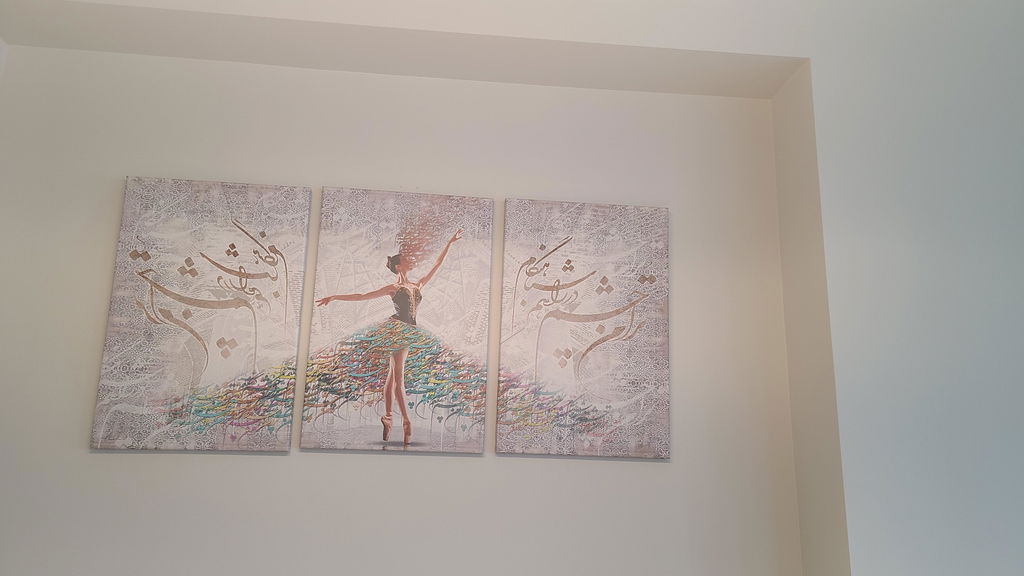
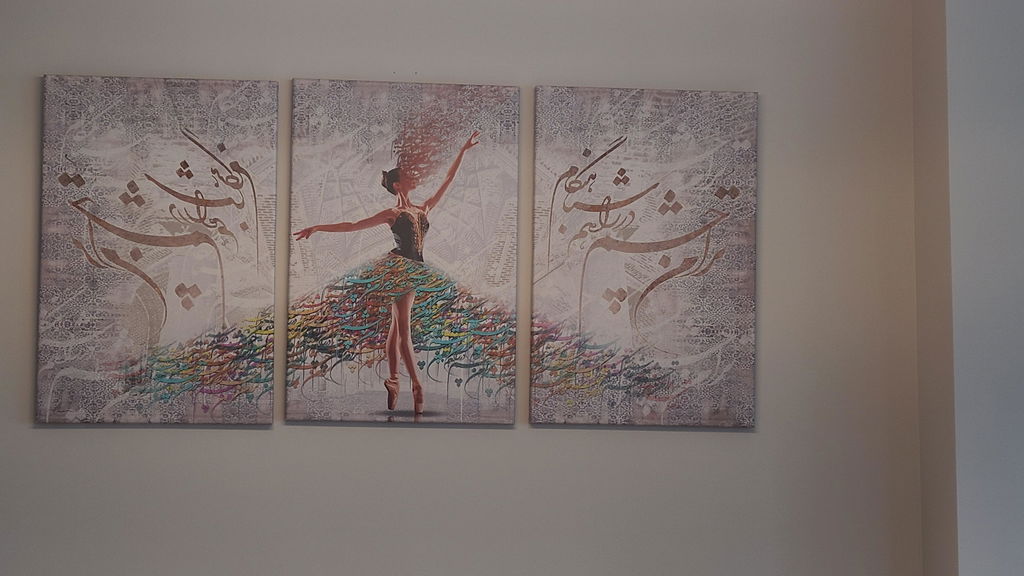
Hafez wall art draws on the ghazals of Khwaja Shams-ud-Din Muhammad Hafez-e Shirazi, the fourteenth-century poet whose Divan is still found in most Iranian households. Each piece here sets one of his lines in Persian calligraphy and builds a contemporary composition around it.

More about this collection
Trier par

46 produits

Trier
Trier

46 produits

46 produits

About the collection

About Hafez Wall Art

Hafez wall art draws on the ghazals of Khwaja Shams-ud-Din Muhammad Hafez-e Shirazi, the fourteenth-century poet whose Divan is still found in most Iranian households. Each piece here sets one of his lines in Persian calligraphy and builds a contemporary composition around it.

The poetry behind the collection

Hafez wrote almost entirely in the ghazal form, and his subjects are famously layered — the beloved, wine, the nightingale and the rose, the hypocrisy of the pious. Persian readers have argued for six centuries over how literally to read any of it, which is part of why the poems have stayed alive. Lines used in this collection include Sokhan-e Eshgh, Nafas-e Bad-e Sabaa and Ghamzeye Jadoo, each preserved in the original Persian script.

Fal-e Hafez

Hafez occupies a place in Persian culture that goes beyond literature. On Yalda night and at Nowruz, families open the Divan at random and read the page that falls open as guidance — the practice known as fal-e Hafez. A line from Hafez on a wall carries that association for anyone who grew up with it. We cover the tradition and the night it belongs to in Yalda Night, explained.

Styles and sizing

The collection spans pure calligraphy, portrait compositions, turquoise tile and mosaic work, and pieces that place the verse alongside a dancer. Above a sofa or bed, artwork spanning roughly two-thirds the width of the furniture below tends to look balanced — the size guide goes into detail. Every piece is printed to order, gallery-wrapped over a wooden frame, and arrives ready to hang.

Questions

Who was Hafez?
Hafez (c. 1325–1390) lived and died in Shiraz, where his tomb remains one of the most visited sites in Iran.

What is a ghazal?
A short lyric form of rhyming couplets, usually on love and longing, in which each couplet can stand on its own.

Is the Persian text a real verse?
Yes. Every piece carries an actual line from the Divan in the original Persian.