



Absolutely LOVE Oriavi art! We have purchased two and get compliments regularly! Looking to purchase more for our home. Plus it ships quickly!
Hi Anuschka, thank you so much for your wonderful feedback! We're thrilled to hear you love our art and that it brings compliments to your home. We look forward to helping you find more pieces soon!
Absolutely LOVE Oriavi art! We have purchased two and get compliments regularly! Looking to purchase more for our home. Plus it ships quickly!
One of the best decorative wall arts I ever purchased, amazing quality, vibrant colors and easy to hang.
Hi Mehrnoush, thank you so much for your wonderful review! We're thrilled to hear you love the quality and colors of the artwork. Enjoy decorating your space!
I love this Persian art work
It's so beautiful,unique & and good quality,everybody is asking me about it. I always recommend ORIAVi to my friends.
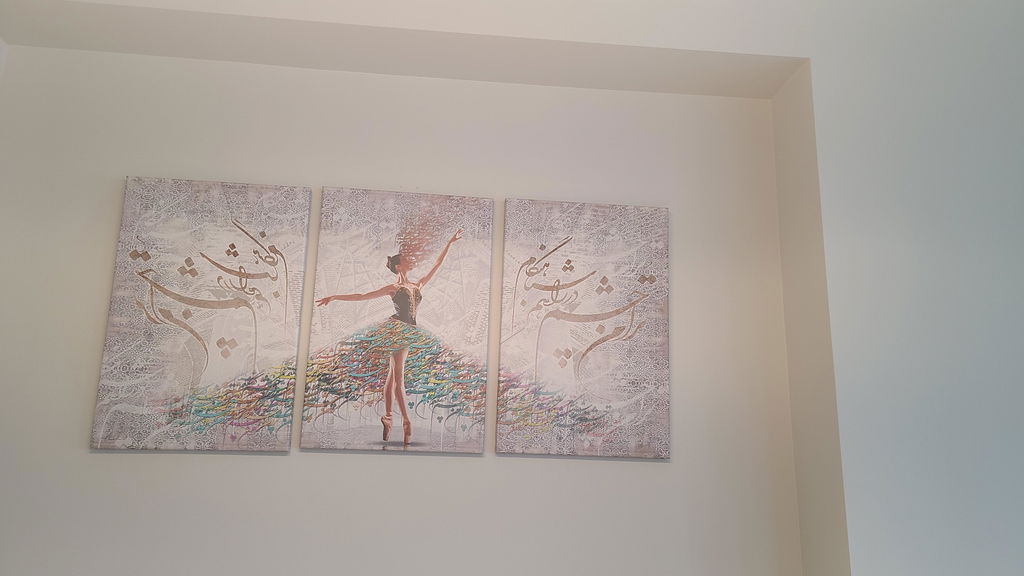
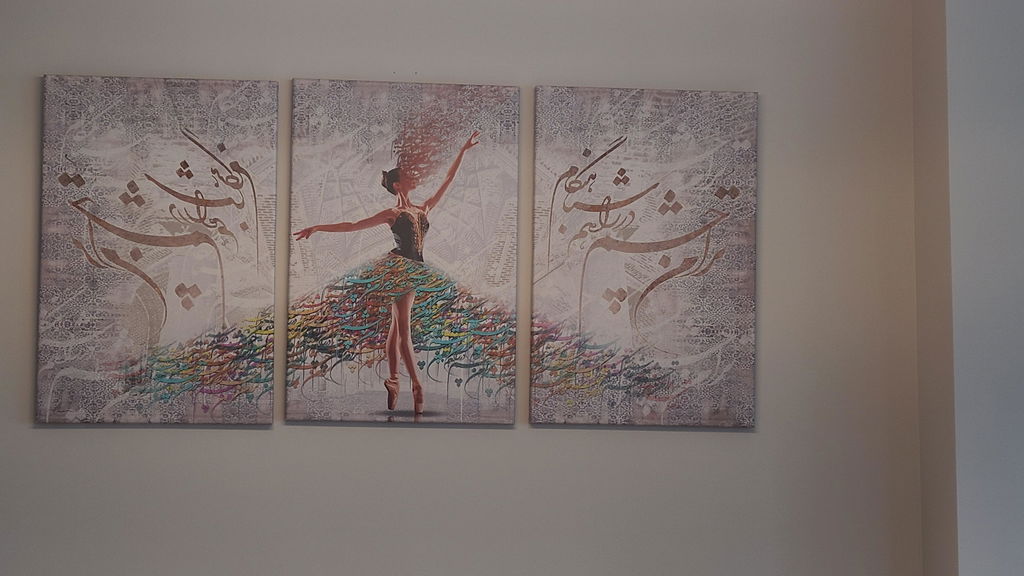
Hi Atousa, thank you so much for your lovely review! We're thrilled you love the triptych and appreciate your recommendations. Enjoy your artwork!